
Super Eagles head coach Eric Chelle has identified the two matches that he believes destroyed Nigeria's hopes of reaching the 2026 FIFA World Cup, Soccernet.ng reports.
According to the Franco-Malian coach, the 1-1 home draw against Zimbabwe in Uyo and the 1-1 away draw against South Africa in Bloemfontein proved to be the turning points in Nigeria's qualifying campaign.
The Super Eagles eventually failed to secure the automatic qualification ticket from Group C after finishing behind South Africa. Nigeria later entered the African playoffs but suffered another heartbreaking exit after losing to the Democratic Republic of Congo in a penalty shootout.
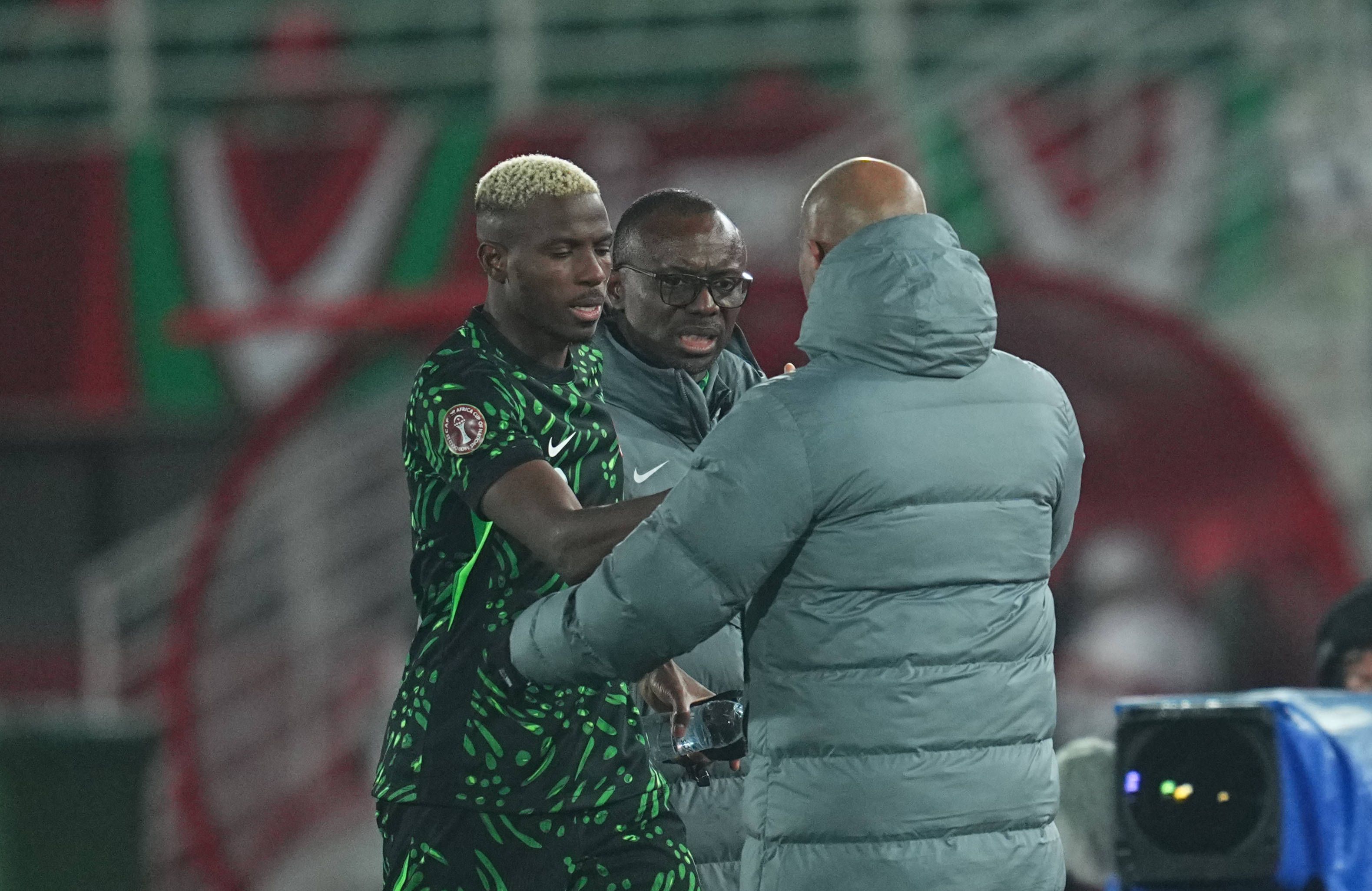
Speaking during an interview with Riadh Belaïche, Chelle admitted that the dropped points in those two matches left Nigeria with too much ground to recover.
“I was appointed in January last year. When I arrived, Nigeria had three points out of 12, so we fought hard to try to qualify. Having reached the playoffs, we lost against the Democratic Republic of Congo. We lost on penalties; they deserved the victory.
“It's true that in some matches, like against Zimbabwe, we drew at home while the match was in our hands. In the end, these two dropped points hurt us a lot. We drew in South Africa.
“Of course, we are disappointed because we felt we had the ability to qualify for the World Cup.”
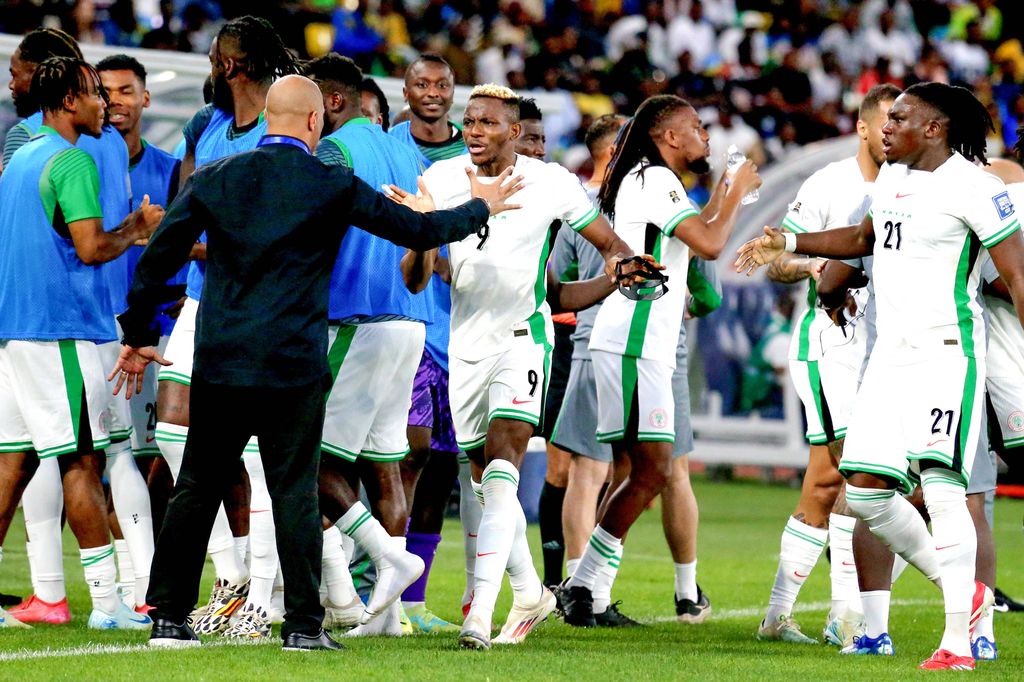
Super Eagles: Zimbabwe and South Africa draws proved too costly
The first result Chelle pointed to in the race for the 2026 World Cup, came on March 25 at the Godswill Akpabio International Stadium in Uyo.
Nigeria controlled much of the match against Zimbabwe and looked set to collect all three points after Victor Osimhen headed home Ola Aina's cross in the 74th minute. The home supporters believed victory was secured, but the Super Eagles failed to see out the game.
Deep into stoppage time, Tawanda Chirewa broke through Nigeria's defence and scored in the 90th minute to earn Zimbabwe a dramatic 1-1 draw. The late equaliser denied Nigeria two valuable points and dealt a huge psychological blow to the team. Nigeria would later beat Zimbabwe convincingly during the Unity Cup in London.
The second match came away against South Africa at the Free State Stadium, also known as Toyota Stadium, in Bloemfontein on September 9.
Nigeria travelled without injured striker Victor Osimhen and fell behind in the 25th minute after captain William Troost-Ekong accidentally turned the ball into his own net. The Super Eagles responded well, with Calvin Bassey heading in an equaliser in the 43rd minute.
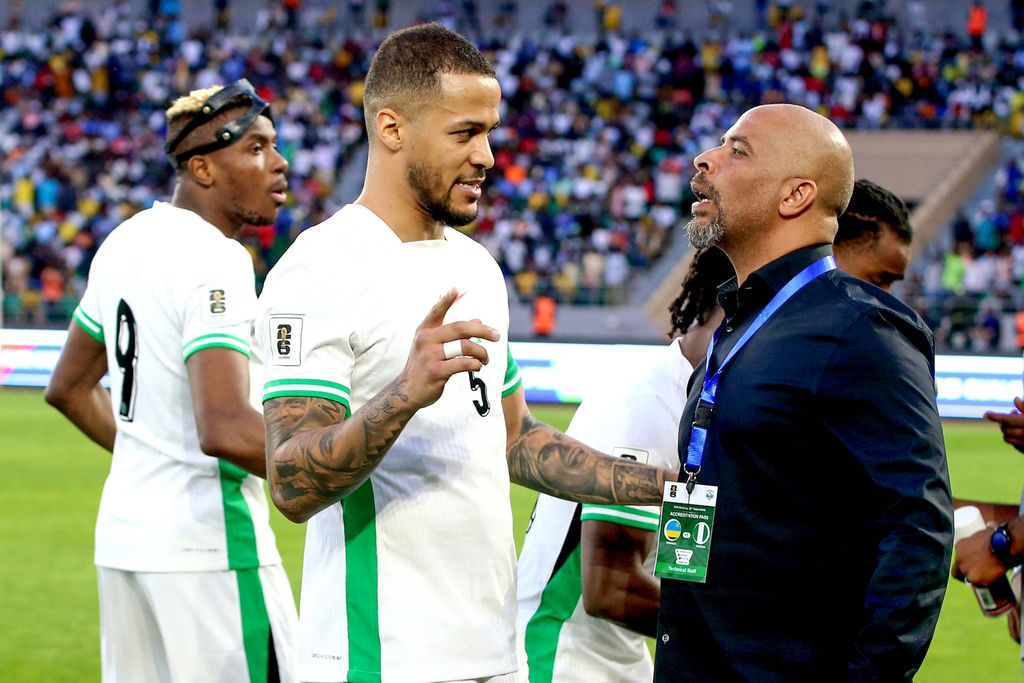
Despite creating opportunities in the second half, neither side found a winning goal. The 1-1 result allowed Bafana Bafana to remain in control of Group C and denied Nigeria the chance to overtake their biggest rivals in the standings.
Those two draws meant Nigeria dropped four crucial points in matches they could have won. Under the African qualification format, only the group winners qualified automatically for the World Cup. The missed opportunities ultimately left the Super Eagles chasing South Africa instead of leading the group.
Nigeria's hopes then shifted to the African playoffs, where they needed another difficult route to qualify. However, their campaign ended in disappointment after they lost on penalties to the Democratic Republic of Congo.
Despite the World Cup setback, Chelle recently committed his future to Nigerian football by agreeing a new contract with the Nigeria Football Federation. After 27 international matches as the Super Eagles boss, he has recorded 16 wins, nine draws and only two defeats.
Post a Comment