
After Morocco successfully hosted the 2025 Africa Cup of Nations (AFCON), there may be new incentives for Nigeria to seriously consider bringing the continent’s biggest tournament back home, Soccernet.ng reports.
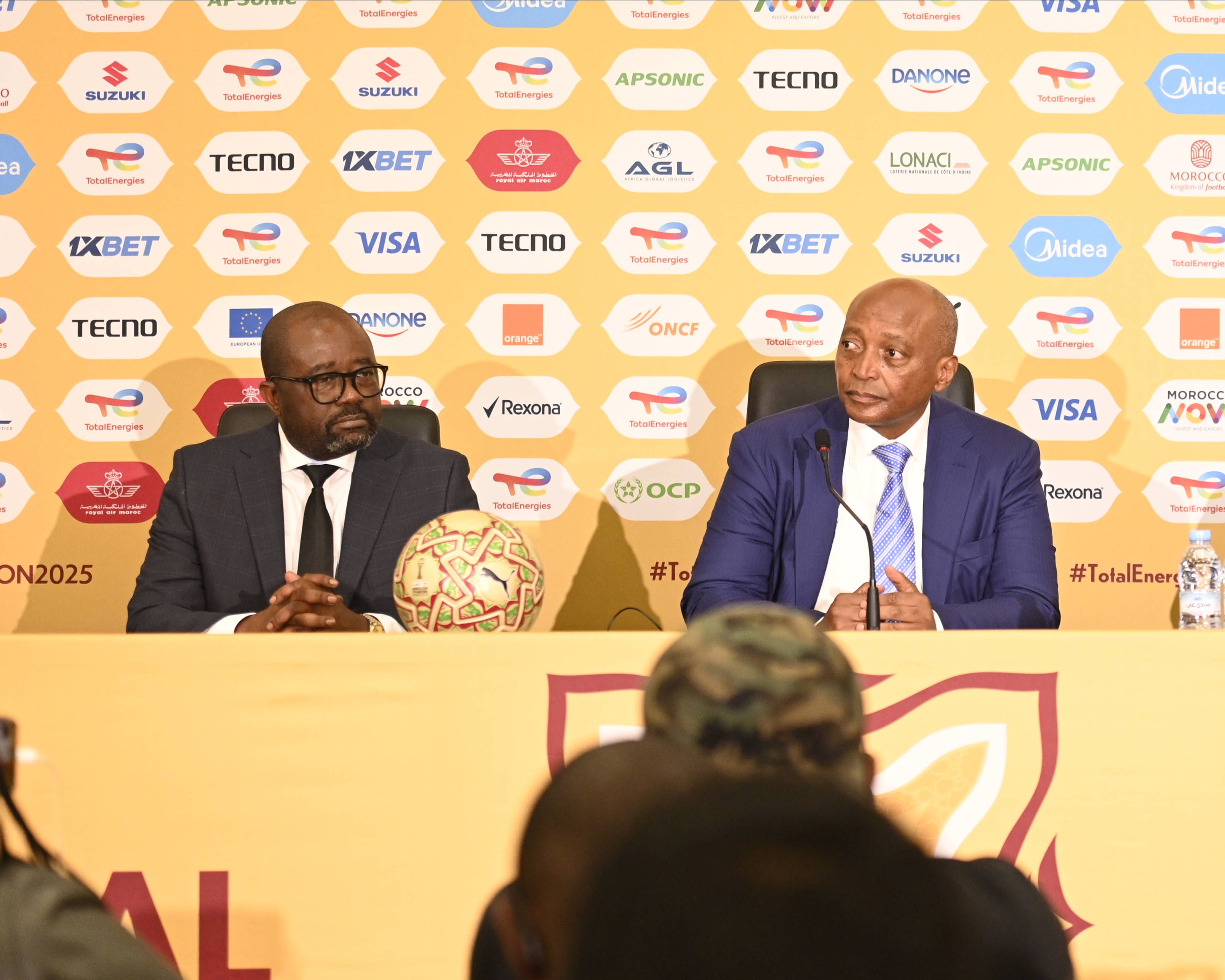
Speaking at the Africa Forward Summit, Patrice Motsepe revealed that the tournament injected almost $2 billion (approx. ₦2.7 trillion) into Morocco’s economy after the competition ran from December 2025 to January 2026. According to the Confederation of African Football president, the tournament smashed previous financial and audience records and became one of the most commercially successful sporting events ever staged on the continent.
The numbers were particularly staggering. CAF said Morocco 2025 attracted 2.5 billion television viewers across 118 countries, while supporters generated 6.2 billion social media and digital interactions during the competition.
Sponsorship deals also exploded in value. Morocco secured 23 major sponsors for the tournament, compared to 17 during Ivory Coast’s hosting in 2023 and only nine during Cameroon 2021. That commercial growth helped CAF record a 90% increase in revenue compared to previous editions.
The tournament also delivered a huge tourism boom. Nearly one million football visitors reportedly travelled into Morocco during the competition, filling hotels, restaurants, transport hubs, shopping centres and entertainment venues across the country.
National airline Royal Air Maroc alone earned around 1.5 billion dirhams, roughly $150 million, from tournament-related travel activity.
Morocco also used the competition as preparation for the 2030 FIFA World Cup, which the North African nation will co-host alongside Spain and Portugal. According to Moroccan Industry and Commerce Minister Ryad Mezzour, AFCON 2025 accelerated €2.3 billion worth of infrastructure investment projects.
The country completed nearly 80% of the stadium and transport systems required for the World Cup before AFCON even ended. New high-speed rail connections between host cities allowed supporters to attend multiple matches in a single day, while several modern multi-stadium hubs were delivered ahead of schedule.
CAF itself also benefited massively from the tournament.
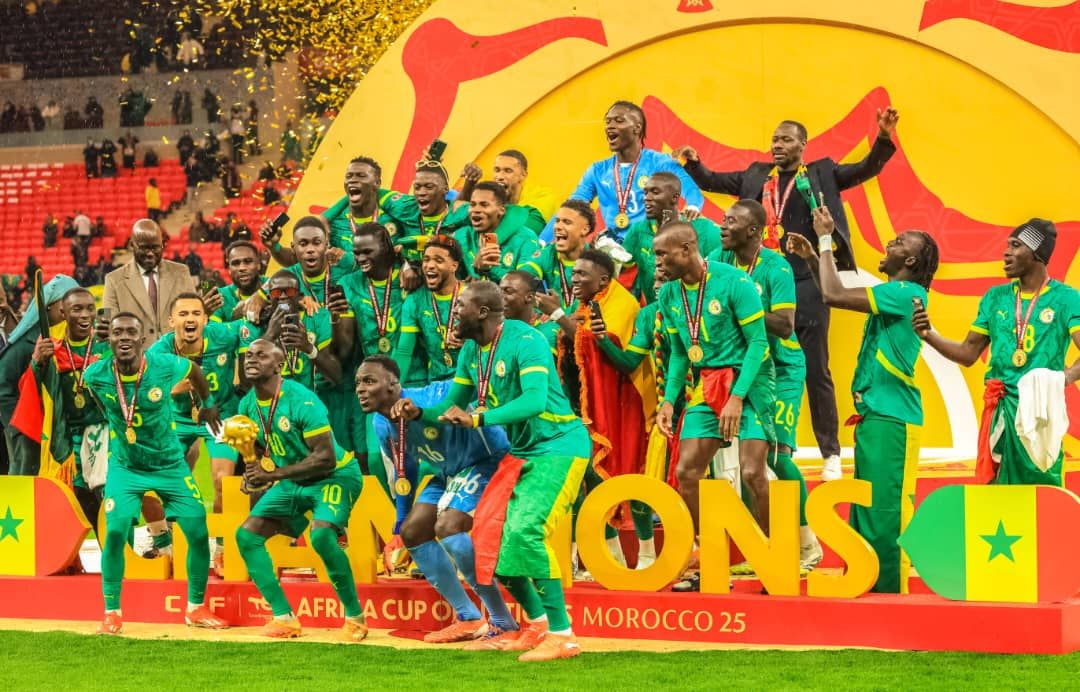
Under Motsepe’s leadership, African football’s governing body erased a long-standing deficit estimated between $100 million and $140 million. AFCON 2025 reportedly generated a projected net profit of $113.8 million and helped CAF post a strong surplus for the 2025-26 financial year. The governing body was then able to hand a record $10 million prize money package to the eventual champions.
Without a doubt, those figures present a powerful temptation for Nigeria, Africa's most populous nation and two-time hosts of the AFCON. However, while Morocco’s success offers a blueprint, the reality facing Nigeria is far more complicated.
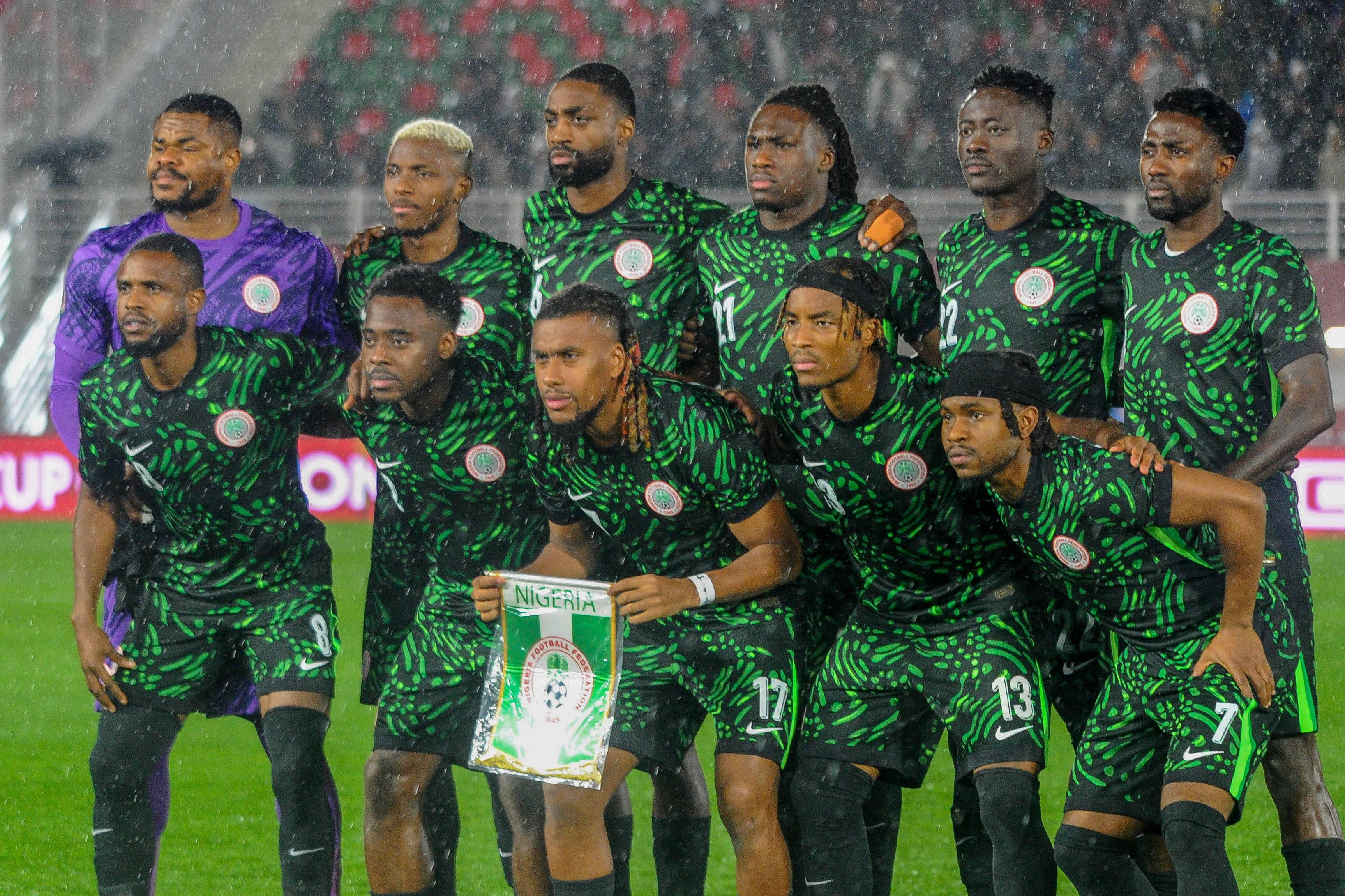
Nigeria’s AFCON dream faces infrastructure and timing problems
Nigeria cannot bid for the next available Africa Cup of Nations because CAF already closed the bidding process for the 2028 tournament on February 1, 2026.
The next edition after that may not even arrive quickly. CAF has already confirmed that Kenya, Uganda and Tanzania will jointly host AFCON 2027. Morocco, Ethiopia and a joint South Africa-Botswana proposal are now battling for 2028 hosting rights.
After the 2028 edition, CAF will officially move AFCON from a two-year cycle to a four-year cycle. That means the next realistic opening for Nigeria could be AFCON 2032.
Even then, the biggest obstacle remains infrastructure. Hosting a modern 24-team AFCON requires at least six fully approved CAF-standard stadiums. Yet CAF’s latest inspection reportedly approved only two Nigerian venues for major continental competitions: the Godswill Akpabio International Stadium in Uyo and the Moshood Abiola National Stadium in Abuja.
Famous grounds such as the Teslim Balogun Stadium in Lagos and the Ahmadu Bello Stadium in Kaduna would need major reconstruction work, including drainage systems, VAR technology, bucket seating, media facilities and security upgrades.
Nigeria last hosted AFCON in 2000 alongside Ghana. That tournament ended painfully for the Super Eagles after they fought back from 2-0 down against Cameroon in the final at the National Stadium in Surulere before losing 4-3 on penalties.
The country’s only solo hosting came in 1980, when the Green Eagles defeated Algeria 3-0 in Lagos to win Nigeria’s first continental title.
Since then, many of the facilities used during the 2000 tournament have deteriorated badly over the past 26 years. Several once-famous stadiums now struggle to meet even basic CAF requirements.
Still, there are signs of political interest.
President Bola Ahmed Tinubu recently approved funding and hosting rights for the 48th CAF Ordinary General Assembly and the 2026 CAF Awards ceremony. That move has strengthened belief that the federal government sees sports tourism and international football events as economic opportunities.
But hosting AFCON would require far more than conference diplomacy. Estimates suggest Nigeria would need between $1.2 billion and $1.5 billion (around ₦1.8 trillion to ₦2.2 trillion) to properly prepare for the tournament.
Roughly $350 million to $500 million would go into stadium upgrades and new construction projects. Another $500 million to $700 million could be required for airports, highways and transport systems linking host cities. Security operations, hotels and medical infrastructure could cost an additional $150 million to $200 million.
Financially, the short-term numbers remain risky. Direct tournament income from tourism, ticket sales and hospitality could reach only around $300 million to $500 million, leaving a large immediate gap against total spending.
However, supporters of the idea may argue that AFCON only becomes worthwhile if Nigeria treat it as a national development accelerator rather than a football party.
Under that model, the tournament deadline would force the completion of already-planned roads, airports, hospitals and rail projects, while also improving Nigeria’s international image and potentially attracting long-term foreign investment.
There is also growing discussion around a possible joint West African hosting proposal involving Nigeria and neighbouring countries such as Benin Republic, which could reduce infrastructure pressure and overall costs.
Overall, Nigeria remain far away from a formal AFCON bid at the moment. But after Morocco turned African football into a $2 billion economic machine, the possibility of another AFCON on Nigerian soil no longer sounds impossible.
Post a Comment