
Super Eagles of Nigeria are hoping to secure a World Cup ticket to participate in this year's tournament should FIFA rule against DR Congo…
As Monday, February 16, came and went, a large section of the Nigerian football community was left asking where exactly the belief that there would be a FIFA verdict on that day came from.
For days, reports and social media posts suggested that a ruling was imminent on Nigeria’s appeal against DR Congo over the alleged use of ineligible players.
The expectation was clear that the decision could somehow reopen a door to the 2026 FIFA World Cup race for the Super Eagles.
But the problem is, FIFA never officially announced a February 16 verdict date.
FIFA Verdict: The myth of a deadline
Nowhere did FIFA publicly state that a ruling would be delivered on that specific day. Yet the date spread rapidly, gaining authority simply because it was repeated often enough.
Hope, arguments, counter-arguments, and ultimately disappointment followed this, which was as expected.
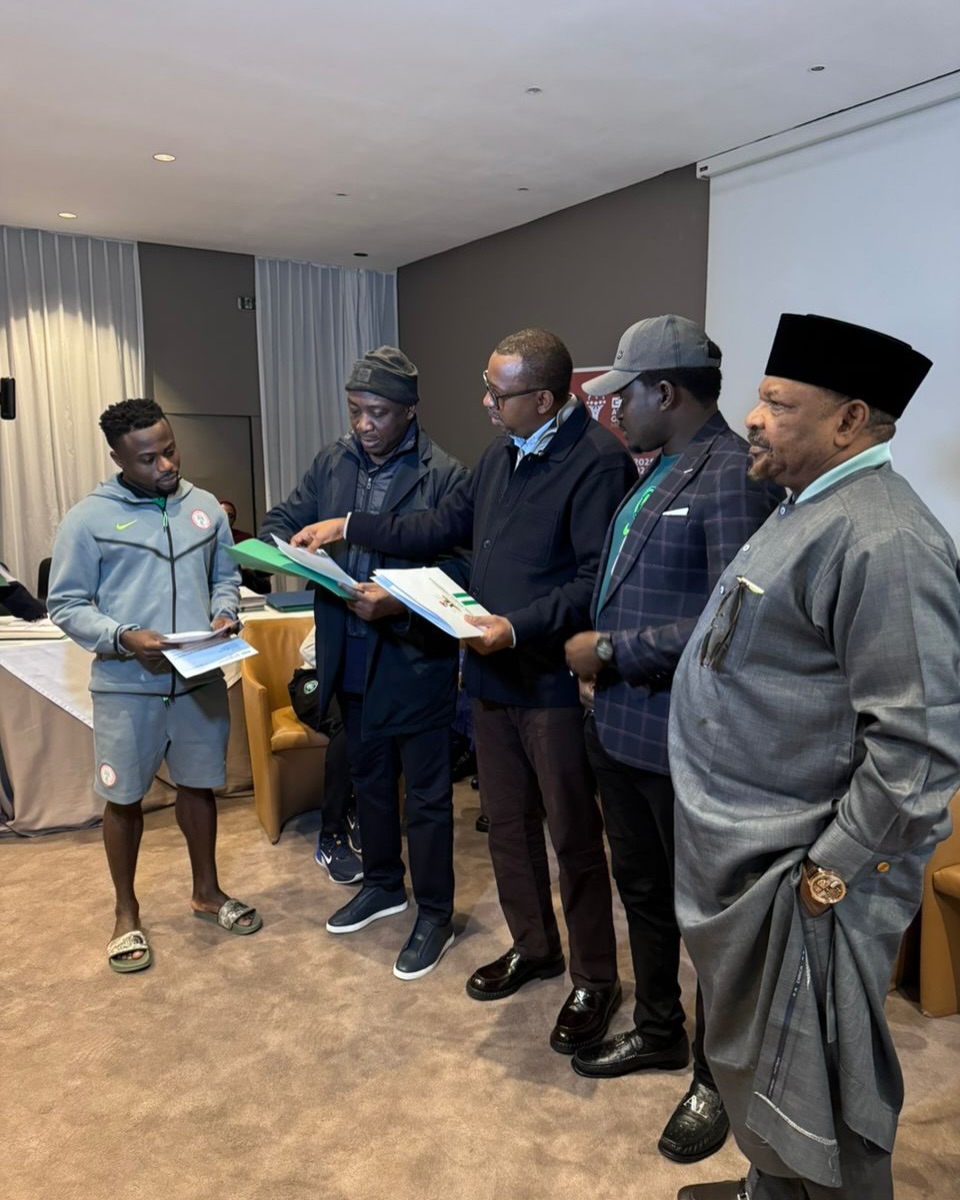
The Nigeria Football Federation (NFF) later clarified that it had not received any formal communication from FIFA regarding a verdict on that date. In other words, the narrative of a looming decision was built more on assumption than on official evidence.
So the real question is who introduced February 16 into the conversation, and why did it gain so much traction?
Super Eagles vs DR Congo: A case built on desperation
Nigeria’s appeal stemmed from frustration after the playoff loss to DR Congo, which effectively ended the Super Eagles’ World Cup hopes on the pitch.
The protest over player eligibility was seen by many as a last throw of the dice and also a chance to escape sporting failure through administrative channels.
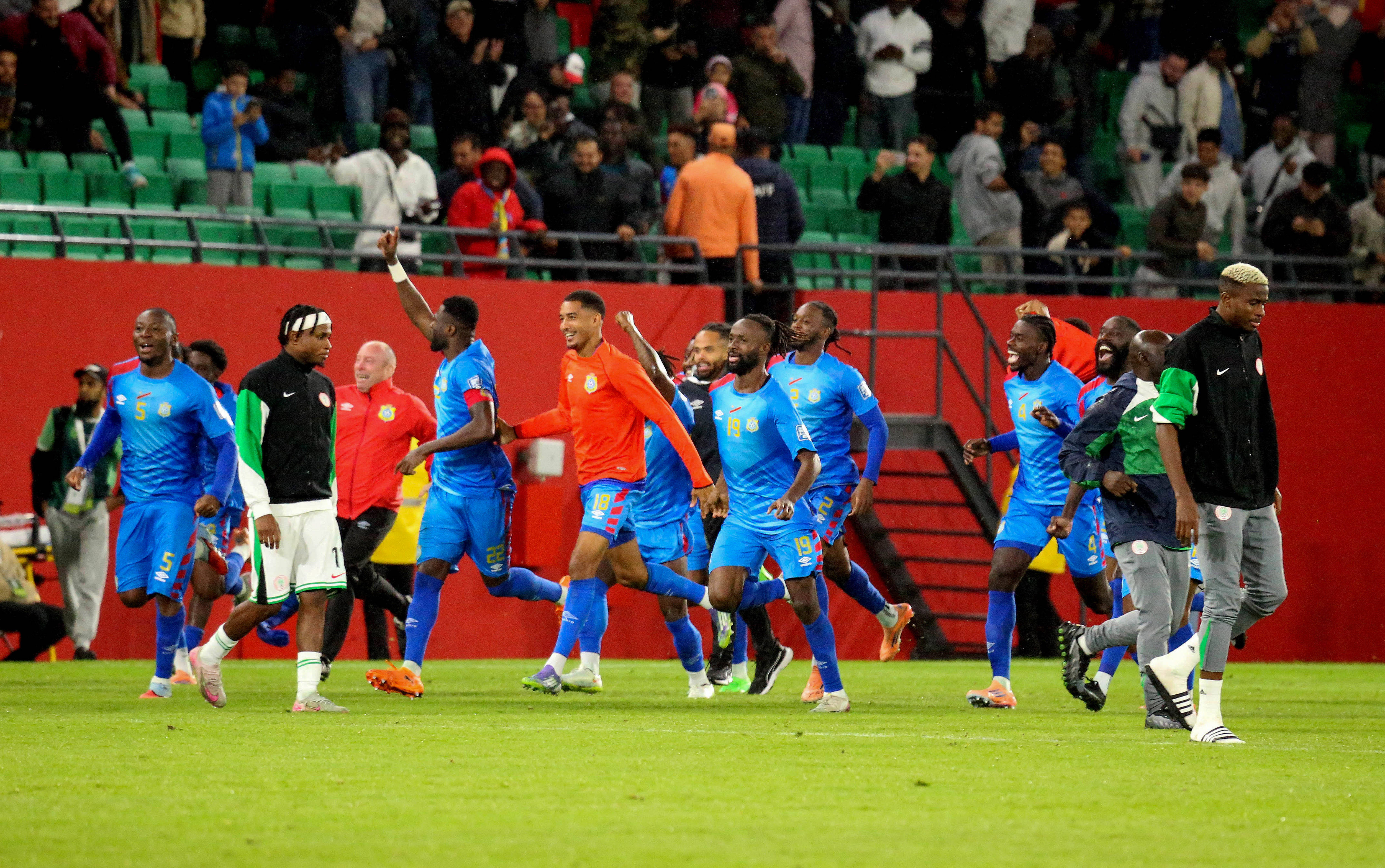
That desperation made fans vulnerable to any rumour that sounded like good news. Once the idea of a verdict date appeared, it was embraced almost uncritically.
NFF's Medicine after death
The habit of seeking miracles after damage is one thing the Nigerian football body has refused to back off from. Rather than confronting the reasons the team fell short in qualification, attention shifted to paperwork and appeals.
A protest cannot fix poor preparation, unstable administration, or the absence of long-term planning. Another World Cup will come. But without structural reform, Nigeria risks returning to the same table of excuses and disappointment.
What should be the focus for NFF, Super Eagles
Instead of chasing verdicts that were never promised, Nigerian football would be better served by fixing its internal framework.
Stronger governance, clearer statutes, and better football planning matter far more to the future than any hypothetical FIFA ruling.
The truth is uncomfortable but necessary; there was no February 16 verdict. Maybe there will be a verdict to wait for, but it all looks like a lost case.
Post a Comment